
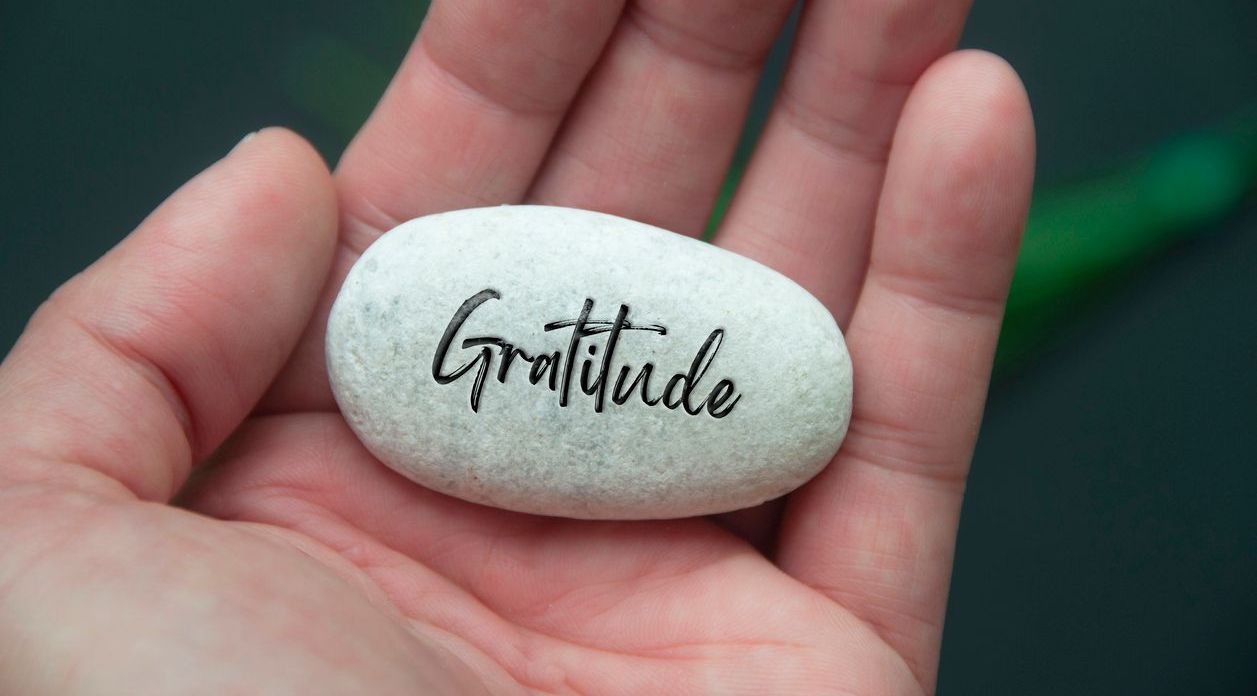
Hello again, dear brain-health seekers! Grace here, and today I want to talk about something that might seem soft and sentimental – but actually packs a powerful punch when it comes to brain function and emotional resilience.
That something is gratitude.
Yes, simply feeling thankful – on purpose – can reshape your brain, improve your mental well-being, and even help you age with more grace (pun fully intended). So grab a cup of tea, take a deep breath, and let’s explore how practicing gratitude isn’t just good manners… it’s good neuroscience.
What Gratitude Does to the Brain
When we experience and express genuine gratitude, our brains release a delightful cocktail of feel-good neurotransmitters – dopamine, serotonin, and oxytocin. These are the same brain chemicals responsible for motivation, connection, and happiness.
Dopamine is often called the “reward chemical,” and it’s closely linked to learning and habit formation. When you feel thankful and acknowledge it – either silently or out loud – your brain tags that moment as meaningful. That makes it more likely you’ll return to that state again. Over time, this creates a sort of “gratitude groove” in your neural pathways. In short? Gratitude begets more gratitude.
Serotonin, often associated with mood regulation, is boosted through acts of appreciation. And oxytocin, our social bonding hormone, helps strengthen relationships – whether you’re thanking a loved one or appreciating a stranger’s kindness.
What’s fascinating is that regular gratitude practice appears to rewire the brain’s default mode network (DMN) – the part involved in daydreaming, rumination, and self-referential thinking. In studies, people who regularly practice gratitude show decreased activity in areas of the brain associated with fear and anxiety, and increased activity in regions tied to empathy, decision-making, and emotional regulation.
Gratitude as a Tool for Resilience
We live in a fast-paced, often overwhelming world. But cultivating a mindset of gratitude doesn’t mean ignoring challenges. It means strengthening our ability to notice what’s good, even when life is far from perfect.
Research shows that people who regularly practice gratitude report:
- Better sleep
- Lower levels of depression and anxiety
- Improved relationships
- Higher self-esteem
- Greater resilience to stress and trauma
In one study published in Psychological Science, participants who wrote weekly gratitude letters for just three weeks reported significantly better mental health – even three months later. That’s the power of rewiring in action.
Simple Ways to Bring More Gratitude Into Your Day
You don’t need to journal for an hour or write poetry to feel the brain benefits of gratitude. Here are a few simple, science-backed ways to make it part of your daily rhythm:
1. The “Three Good Things” Practice
Each night before bed, write down – or say out loud – three things that went well today. They don’t need to be big. A good cup of coffee counts. So does hearing your favorite song.
2. Gratitude Letters (Even if You Never Send Them)
Write a short letter or email to someone you appreciate. Even if you don’t send it, the act of writing engages the parts of your brain linked to empathy and emotional regulation.
3. Mindful Moments of Thanks
Take a moment – just 10 seconds – to mentally say “thank you” when something kind, helpful, or beautiful happens. Train your brain to notice goodness.
4. Start a Gratitude Jar
Drop a quick note into a jar when something wonderful happens, no matter how small. It’s a visual reminder of the good, and lovely to revisit when you’re feeling low.
My Personal Take
Honestly, I used to think gratitude journals were a bit fluffy. But once I started a daily “3 good things” practice, I began to notice subtle changes: less tension in the mornings, a clearer mind, and a softening of some of the mental chatter that can creep in with age.
Gratitude didn’t fix everything… but it helped me face everything with a steadier, more open heart.
Wrap-Up: Gratitude Isn’t Just Nice – It’s Neuroplasticity
Your brain is always changing, always adapting. Why not help it change in ways that build joy, resilience, and connection?
Gratitude isn’t just a feel-good emotion. It’s a form of brain training. And the more you practice it, the easier it becomes to see the silver linings – even on the cloudy days.
So, what are you grateful for today? Drop a comment below, or better yet – share it with someone who made a difference in your life.
Your brain will thank you.
🧠💛