
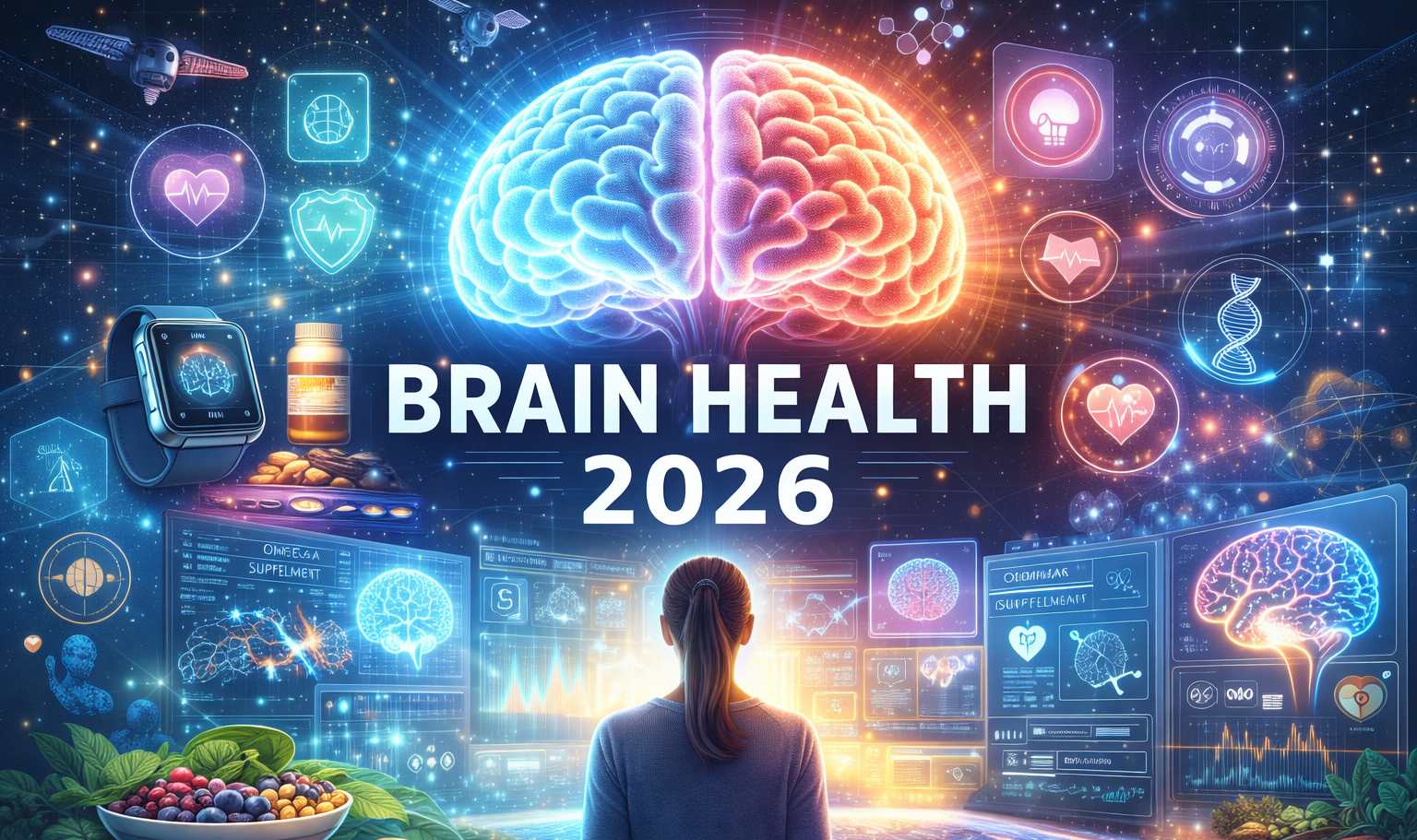
Hello, my brilliant readers! Grace here, and today we’re gazing into the crystal ball – not to predict the next fashion trend or who wins the Superbowl, but to see where brain health is headed in 2026.
Let me tell you, it’s a thrilling time to be brain-conscious. The world of cognitive wellness is no longer limited to crossword puzzles and fish oil capsules. We’re entering an age where science, technology, and daily habits are merging to create smarter, sharper, and more resilient minds. So, grab your favorite brain-boosting snack (hello, walnuts!) and let’s dive into what you need to know to stay ahead.
1. Personalized Brain Nutrition Is Here
We’ve talked a lot about omega-3s, B12, and antioxidants – and they’re still vital. But 2026 is ushering in a new era: personalized nutrition based on your genetics, microbiome, and even your wearable health data. Imagine knowing exactly how your body metabolizes nutrients and which ones give your brain the biggest boost.
This isn’t science fiction. Health tech companies are now offering tests that evaluate your unique nutrient needs, and create custom supplement blends or meal plans. For example, one person might need more choline for memory, while another benefits more from magnesium for stress resilience. This takes the guesswork out of your brain-healthy diet and helps you focus on what actually works for you.
These customized nutrition plans can help reduce inflammation, regulate blood sugar (a biggie for preventing cognitive decline), and optimize neurotransmitter function. The next frontier? AI-powered food tracking apps that adapt your recommendations based on your stress levels, sleep, and focus. It’s not just what you eat anymore—it’s what your brain needs in real time.
2. Blood Tests for Early Cognitive Decline
Here’s some exciting (and potentially life-changing) news: blood-based biomarkers for Alzheimer’s and other cognitive disorders are advancing rapidly. Tests that can detect changes in the brain years before symptoms appear are starting to move into clinical practice.
This kind of early detection is a huge deal. Instead of waiting until memory loss or confusion begins, people in their 40s and 50s could start taking action to protect their brains much earlier. That means changing their diets, improving sleep, managing blood sugar, and perhaps starting neuroprotective supplements or medications under a doctor’s care.
More importantly, it’s helping people reframe brain health as something preventive, not reactive. Much like heart screenings helped reduce heart attacks in the last century, brain biomarker screening could help reduce Alzheimer’s and cognitive decline in the next.
3. Intermittent Fasting Is Still Hot (But Smarter)
Intermittent fasting isn’t just a diet trend – it’s a brain health tool backed by a growing pile of science. In 2026, it’s being embraced not just for weight control, but for its role in promoting autophagy (the brain’s cleanup crew), reducing inflammation, and boosting BDNF, the brain’s version of Miracle-Gro.
More people are using time-restricted eating windows to enhance focus, regulate energy, and protect long-term brain health. But now the conversation has shifted from rigid routines to flexible, sustainable rhythms that work with your body’s natural patterns.
Apps and wearables help track fasting windows, sleep cycles, and even blood glucose to find your ideal timing. People are reporting less brain fog, better mood stability, and more mental energy throughout the day. The key takeaway? Fasting isn’t about skipping meals – it’s about giving your body (and brain) time to reset and repair.
4. Brain-Boosting Wearables Are Getting Personal
Wearable tech is leaping beyond steps and heartbeats. Devices in 2026 can now track your stress, monitor sleep quality (not just quantity), and even assess your cognitive performance in real time.
For example, some smart rings and headbands offer feedback on heart rate variability (HRV), a strong indicator of mental stress. Others gently nudge you when your focus is fading or when it’s time for a mindful break. This isn’t about over-optimizing every moment of the day, but about becoming more aware of the subtle rhythms of your mind.
And let’s not forget brain training tools. Newer versions use AI to adapt challenges to your strengths and weaknesses, helping improve working memory, decision-making, and even emotional regulation.
If you’re tech-curious, this could be a fun and effective way to support your cognitive health without adding another chore to your list.
5. Gut Health: The Microbiome-Brain Connection Grows Stronger
We used to say, “trust your gut.” Now we know the gut and brain are in constant conversation. Your microbiome produces neurotransmitters, regulates inflammation, and even helps shape your emotional responses.
In 2026, expect more focus on fermented foods, probiotics, and fiber-rich diets that support healthy gut bacteria. Some companies are even offering gut-brain microbiome tests that show which strains might be out of balance, along with foods or supplements to bring things back into harmony.
People are reporting fewer mood swings, better sleep, and more stable energy when their gut is in good shape. Want a delicious way to start? Add a spoonful of kimchi to your scrambled eggs or sip on kombucha instead of soda. Small steps, big impact.
6. Smarter Sleep for a Smarter Brain
We all know sleep is critical, but now we understand why. During deep sleep, the brain clears out toxins through the glymphatic system. Poor sleep has been linked to cognitive decline, impaired memory, and mood disorders.
What’s new in 2026 is the rise of technology and lifestyle shifts that promote truly restorative sleep. Think blackout curtains that simulate moonlight, cooling pillows that adjust to your body heat, and smart devices that analyze your REM cycles.
But let’s not forget the simple stuff: cutting caffeine earlier in the day, turning off screens an hour before bed, and creating an evening wind-down ritual. A well-rested brain is more resilient, more focused, and better equipped to handle life’s curveballs.
7. Tackling Inflammation as Brain Enemy #1
Inflammation is emerging as one of the root causes of brain fog, depression, and age-related cognitive decline. It’s not just about swollen joints or sore muscles – chronic low-grade inflammation can disrupt neurotransmitter function and damage brain tissue over time.
In 2026, anti-inflammatory lifestyles are becoming the gold standard. That means focusing on leafy greens, berries, wild-caught fish, olive oil, nuts, and herbs like turmeric and ginger. It also means minimizing ultra-processed foods, added sugars, and trans fats.
Some people are also experimenting with anti-inflammatory supplements, guided by bloodwork and professional advice. But again, it all starts with food, movement, sleep, and stress management. It’s the basics that build brain resilience.
8. Blue Light Awareness Goes Beyond Screens
Yes, we still need to limit blue light before bed, but now we understand it goes deeper. Blue light exposure affects our circadian rhythm, which in turn affects mood, alertness, and cognitive performance.
In 2026, expect to see more workplaces and homes outfitted with circadian-friendly lighting – lights that mimic natural sunlight in the morning and shift to warmer tones as the day winds down. Even grocery stores and schools are catching on.
You can also make small changes: switch your devices to night mode, wear blue-light-blocking glasses in the evening, and dim the lights an hour before bed. Your brain will thank you with clearer thoughts and better sleep.
9. Emotional Intelligence Is Your Brain’s Secret Weapon
The more we learn about emotional intelligence (EQ), the more we realize it’s central to brain resilience. High EQ helps reduce stress, protect against burnout, and even support memory by strengthening our social connections.
Practicing EQ means becoming more aware of your emotions, managing them with intention, and developing empathy for others. And the tools to do this are more accessible than ever: journaling, mindfulness, breathwork, and therapy are all seeing a resurgence.
It also means surrounding yourself with emotionally intelligent people. Strong social bonds are not just good for the heart – they literally help protect the brain as we age.
10. Brain Longevity Is the New Fitness Frontier
Just as physical fitness became a cultural norm in the 1980s, brain fitness is getting its moment now. More people are thinking long-term, embracing habits that nourish the brain for decades to come.
We’re seeing new approaches to movement (like dance and tai chi), smarter stress management, cleaner environments (fewer neurotoxic chemicals!), and even strategic supplementation. It’s not about biohacking for the sake of it – it’s about creating a sustainable, joyful path to lifelong clarity.
Books, podcasts, and online communities are springing up around the theme of cognitive wellness. And the message is clear: if you care about your future, start caring for your brain now.
In Closing: A New Era for Your Mind
If there’s one thing I’ve learned on this journey, it’s that brain health is not a fixed trait – it’s a lifelong practice. And here in 2026, we have more tools, insights, and community than ever before.
You don’t need to do everything at once. Pick one thing that excites you – maybe it’s trying a new sleep routine, experimenting with intermittent fasting, or adding a little sauerkraut to your plate.
Your future self will thank you. And I’ll be right here, cheering you on.
Stay curious, stay nourished, and keep that beautiful brain of yours shining bright.
— Grace